
On Our Reading List
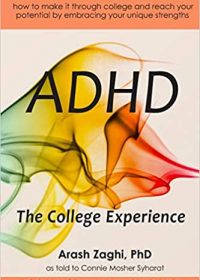
ADHD: The College Experience:
ADHD: The College Experience offers a strength-based approach to learning that flips the script about ADHD for students who are struggling to succeed in college. This transformative perspective shows students with ADHD how they can embrace their unique abilities to find joy in learning, succeed in college, and reach their potential. Through humorous storytelling, Zaghi explains how ADHD traits are a genetic inheritance that benefits human societies, how procrastination and inattention can lead to highly creative solutions, and how risk-taking and impulsivity can lead to unexpected discoveries.
High School Dropout to Harvard: My Life with Dyslexia:
School was a struggle for John D. Rodrigues. He knew he was smart, but teachers and classmates didn’t believe him. All they saw was a kid who wore freakish orthopedic shoes, couldn’t sit still in class, and struggled miserably with reading. At age sixteen, John had had enough. He dropped out, certain he’d never return to school.
Thanks to a chance encounter, John discovered ice sculpting. Here, finally, was something the young man was good at, and he took to it passionately. His talent for releasing beauty from massive blocks of ice led to jobs working in famous hotels and on cruise ships.
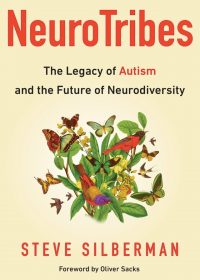
Neurotribes: The Legacy of Autism and the Future of Neurodiversity:
What is autism? A lifelong disability, or a naturally occurring form of cognitive difference akin to certain forms of genius? In truth, it is all of these things and more—and the future of our society depends on our understanding it. Wired reporter Steve Silberman unearths the secret history of autism, long suppressed by the same clinicians who became famous for discovering it, and finds surprising answers to the crucial question of why the number of diagnoses has soared in recent years. Going back to the earliest days of autism research, Silberman offers a gripping narrative of Leo Kanner and Hans Asperger, the research pioneers who defined the scope of autism in profoundly different ways; he then goes on to explore the game-changing concept of neurodiversity.